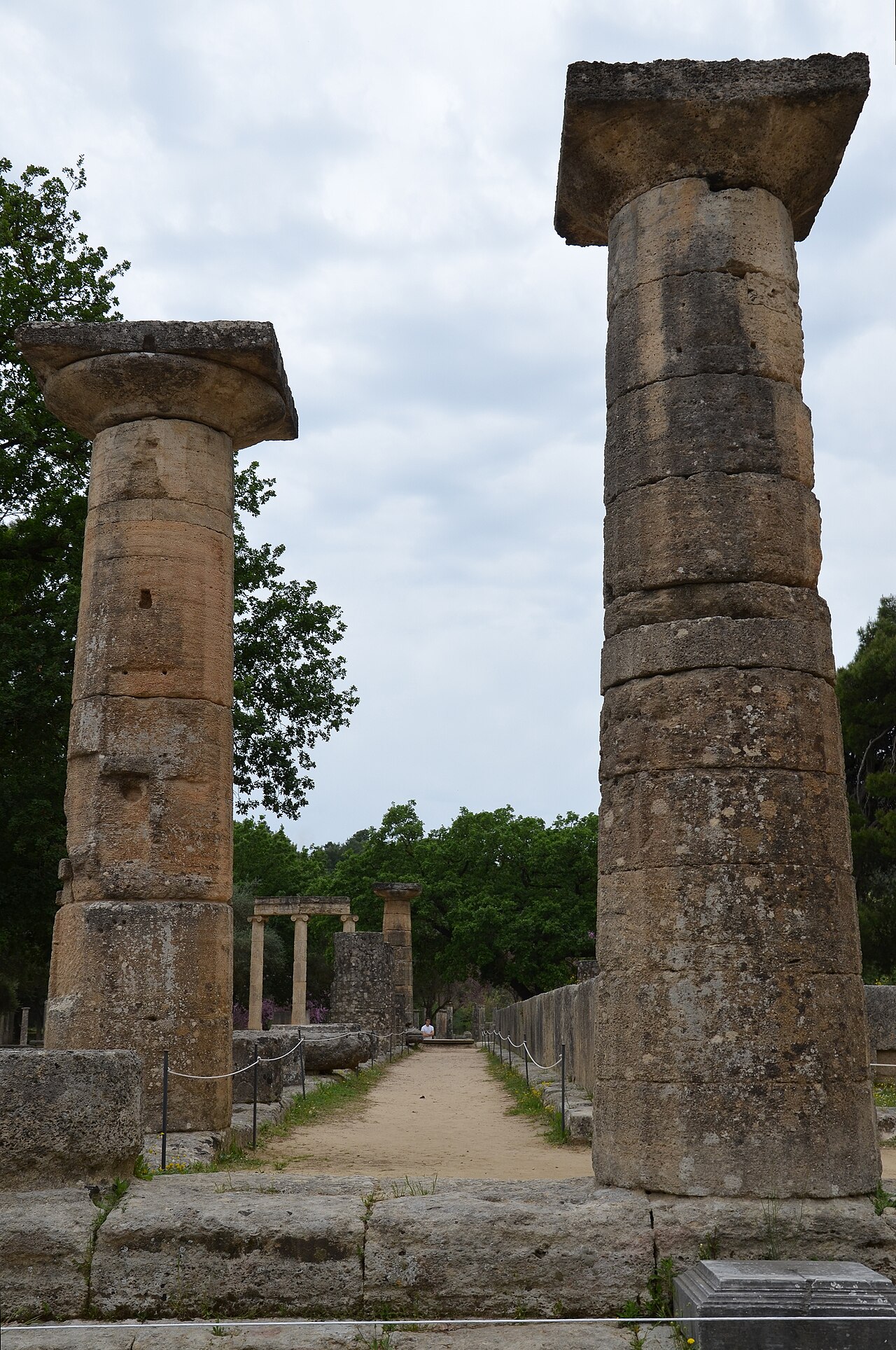
Ancient Festival Cycle
Games occurred every four years (an Olympiad), timed by full moon in midsummer. Events expanded from single stadion race to include wrestling, boxing, pentathlon, equestrian races and later pancration — a demanding combat sport.
Victors received olive crowns from Olympia's sacred tree and fame across Greek world; poets composed victory odes, and hometowns erected statues at their expense.
Ekecheiria — Sacred Truce
Warring city-states observed ekecheiria — cessation of hostilities — to guarantee safe pilgrimage. Truce heralds traveled Greece proclaiming peace, illustrating athletics' integrative political function.
The International Olympic Committee's modern truce resolutions echo this precedent, though contemporary geopolitics rarely achieve comparable cessation of conflict.
End of Ancient Games
Theodosius I banned pagan festivals in 393 CE; subsequent earthquakes and Slavic invasions diminished sanctuary activity. Memory persisted through classical texts copied in Byzantine and medieval manuscripts.
Modern Revival
French educator Pierre de Coubertin championed international competition promoting peace and youth development. 1896 Athens Games launched the modern cycle; torch relays and medal ceremonies evolved throughout the twentieth century.
Modern Olympic flame lighting at Olympia uses concave mirror to ignite torch from sun rays — ritual choreographed since 1936 Berlin Games tradition popularization.
Winter and Paralympic Games extended the movement; host city selection, broadcasting rights and amateurism debates transformed scale while referencing ancient ideals in opening ceremony choreography.